We’re Teaching AI Like a Tool. Organizations Need It Treated Like a System.
Most conversations around AI still start at the wrong layer. We talk about prompts. We compare models. We debate capabilities. But inside organizations, none…

Most conversations around AI still start at the wrong layer.
We talk about prompts.
We compare models.
We debate capabilities.
But inside organizations, none of that is the first problem.
The first problem is design.
Who decides what AI can see?
Who controls how it responds?
Who is accountable when it’s wrong?
This video is an attempt to slow the conversation down and move it to that layer.
The Missing Middle in AI Conversations
There’s a gap between:
“Here’s how to use AI”
and“Here’s what enterprise-grade AI actually requires.”
That gap is where most real-world confusion lives.
In practice, AI inside an organization is never a single interaction.
It’s a flow:
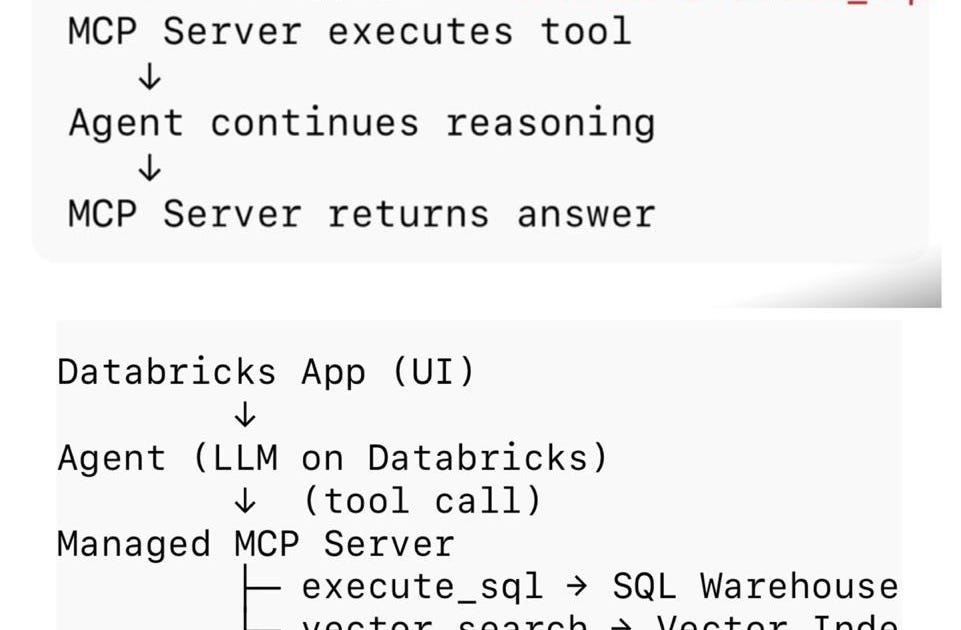
questions → data selection → constraints → reasoning → controlled output.
Once you understand this, AI stops feeling unpredictable — because it’s no longer unmanaged.
Why Control Matters More Than Capability
The strongest AI systems are not the ones that know the most.
They’re the ones that:
know only what they are allowed to know
respond only within defined boundaries
behave consistently across users and scenarios
That’s not a model problem.
That’s a system design decision.
And it’s the reason many Copilot-style experiences work — not because the AI is smarter, but because the system around it is.
What This Video Tries to Do
Instead of listing features or tools, the video walks through:
how retrieval changes AI behavior
why grounding is essential for trust
how identity and access shape responses
and how all of this fits together as one controlled pipeline
It’s deliberately explained in a way that works even for non-technical leaders — because enterprise AI decisions are never purely technical.
A Better Question to Ask About AI
Instead of asking:
“What can this AI do?”
Try asking:
“What are we allowing this AI to do?”
That single shift changes how you evaluate tools, architectures, and even teams.
▶️ Watch the video below
If you’re working anywhere near AI deployment — building, advising, approving, or governing — this way of thinking is no longer optional.
Originally published on Substack