We issued our first verified AI certificate. Here is what the journey actually looked like.
Building something real taught me things no course ever could. I did not set out to build a platform. I set out to solve a problem I kept seeing as a Microsoft…
Building something real taught me things no course ever could.
I did not set out to build a platform. I set out to solve a problem I kept seeing as a Microsoft Certified Trainer. Professionals sitting through AI programs, collecting certificates, and walking out with nothing they could actually show an employer. The knowledge was there. The evidence was not.
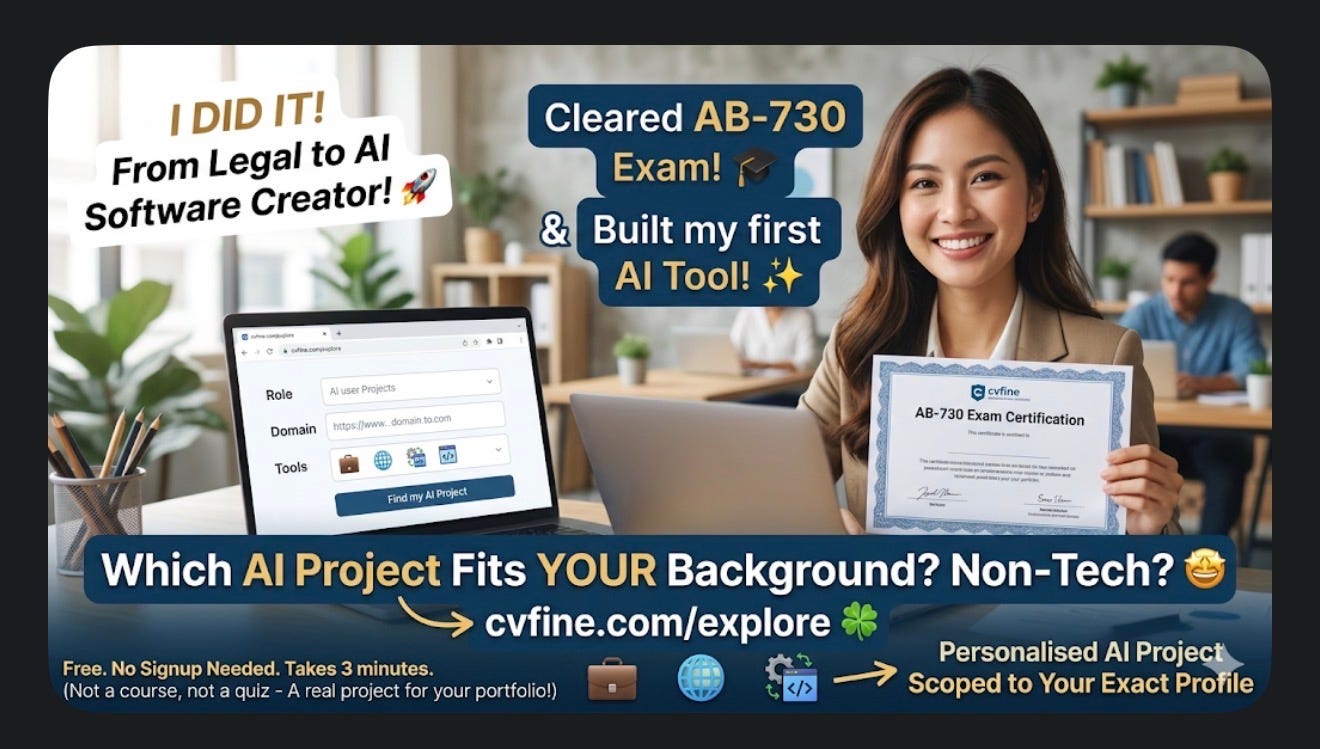
So I started building. Nights, weekends, in between live training sessions for enterprise clients. No funding. No co-founder. No technical background in the traditional sense.
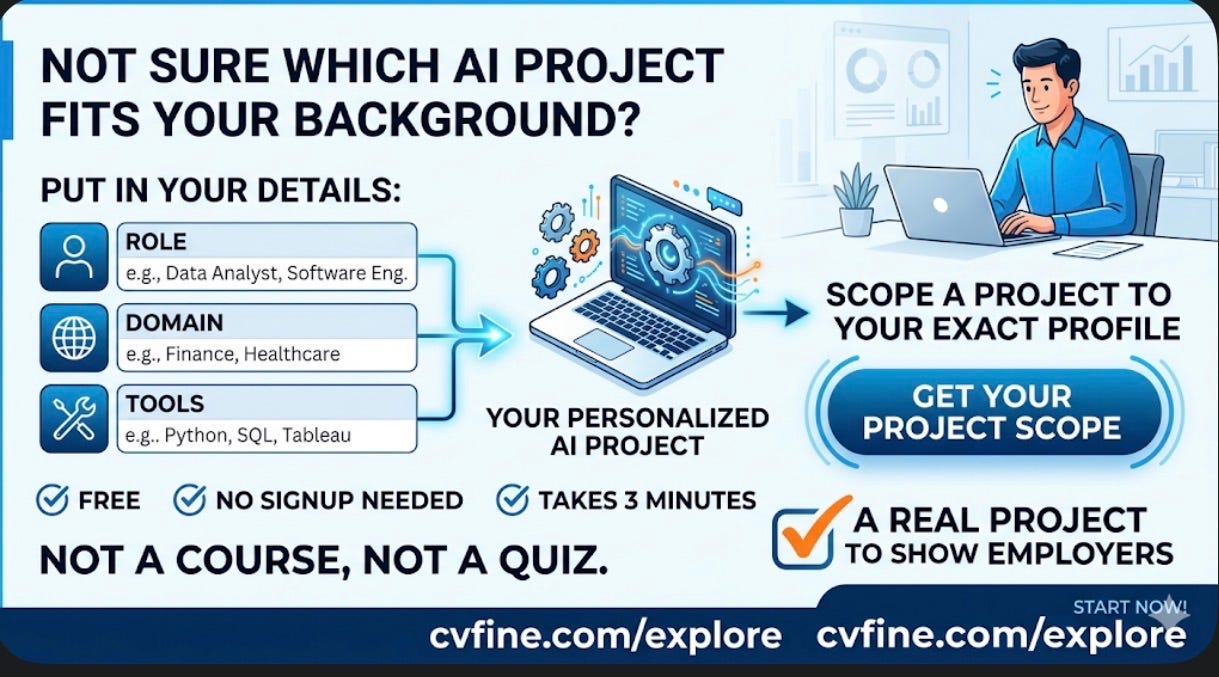
Eight months later, on the 1st of May 2026, we issued our first verified AI certificate to a real paying user.
He is a Director of Data and AI. He completed a full fellowship, built a real project in his domain, had it assessed, and earned a certificate that is publicly verifiable. Anyone can look it up. It is not a badge. It is a record of actual work done.
He published it on LinkedIn the same day. You can have a read here :
I am not going to pretend that moment was not significant. It was. Not because of the revenue. Because it proved the thing I had been building toward was real.
Here is what the journey between “I want to build this” and “the first certificate is live” actually looked like.
The first version was embarrassing.
The earliest build had the right idea and completely wrong execution. The AI assessment was generic. The project briefs could have applied to anyone. A finance professional and a software engineer were getting outputs that felt interchangeable. That is not a product. That is a template with a logo.
I scrapped and rewrote the assessment layer three times before it started feeling honest. The breakthrough was a simple rule: stop asking users what they want to become and start reading what they already are. Their job title, their tools, their industry. Then tell them exactly what AI layer makes their existing expertise significantly more valuable. Not a career change. An upgrade.
That shift changed everything about how the product felt. The thing I underestimated most was the trust problem. A professional considering spending real money on an AI fellowship is not just evaluating the product. They are evaluating whether this is a real company. They will spend 90 seconds on the site and make a judgment.
Every placeholder link, every tab that goes nowhere, every piece of copy that does not quite make sense, it all signals the same thing. Unfinished. And unfinished does not command premium pricing no matter how good the underlying idea is.
I spent more time on trust signals than I expected. Trainer credentials visible on the landing page. A publicly verifiable certificate that anyone can check. A real support email that real people respond to. These things sound obvious. They are not fast to build properly.
The AI guide surprised me. The milestone experience, where a fellow works through their project with an AI guide before submitting, ended up being the part users responded to most. Not the assessment. Not the certificate. The conversation while they were building.
People do not just want to be told what to do. They want to think it through with someone. The AI guide became that. It pushes back when the work is vague. It asks for specifics. It tells the fellow when they are ready to submit and when they are not.
One fellow told me it felt like having a senior colleague review their thinking in real time. That is the product working as intended.
What I got wrong about the market.
I assumed the hardest thing would be building the product. It was not. The hardest thing is getting the right people to find it.
Not just anyone. The specific professional, in the specific geography, at the specific moment they feel the gap between where their skills are and where the market is heading. That person is out there. There are a lot of them. The challenge is being in the right place when they go looking.
That is the problem I am working on now. And it is why I am writing this.
What comes next.
The product works. The first certificate is live and public. The fellowship experience from first click to verified certificate is end to end and functioning.
The next chapter is proving that professionals in Dubai, Toronto, Sydney and London will find it, trust it, and complete it. That is the only metric that matters right now.
Not user counts. Not traffic. Completed fellowships from people who go on to put that certificate on their LinkedIn and mean it.
If you have been following this newsletter for a while, thank you for sticking around through the quieter months. There is a lot more to write about now.
Next week I will get into something I have been thinking about since I started training Claude as part of this build.
What it actually feels like to train an AI, not use one, and what that teaches you about intelligence, human and otherwise.
Originally published on Substack