Do You Know What AI-Native Means—and How It’s Disrupting Every Industry?
We often hear about “AI-powered” companies, but what does it truly mean to be AI-native? This term isn’t just about using AI as a tool—it’s about building…
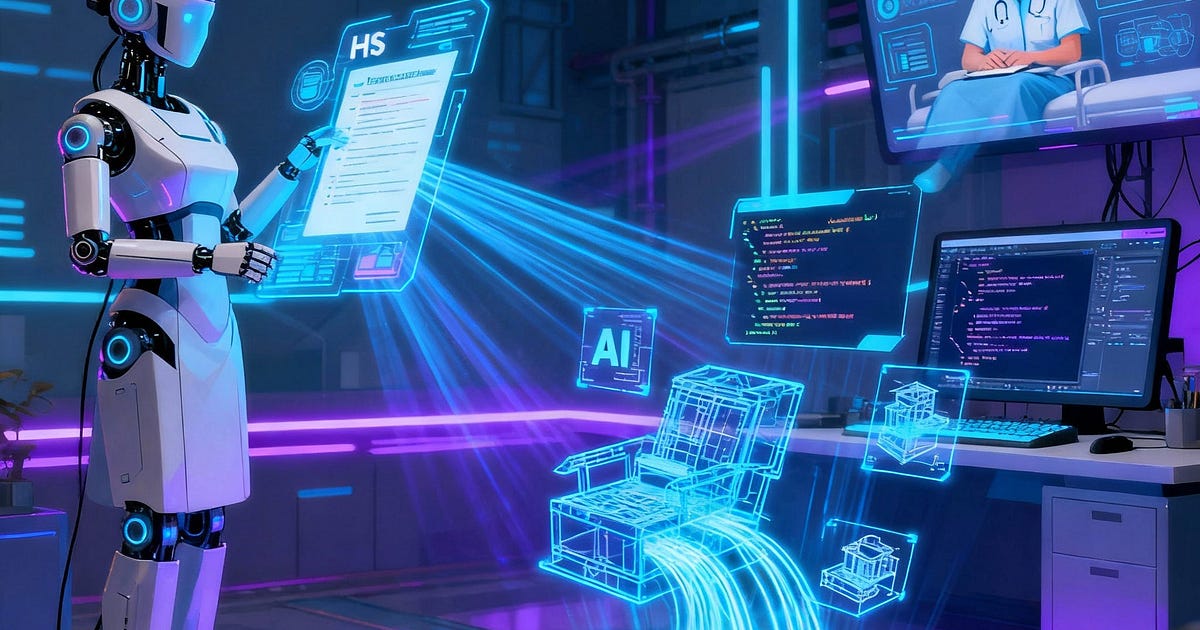
We often hear about “AI-powered” companies, but what does it truly mean to be AI-native? This term isn’t just about using AI as a tool—it’s about building entire businesses, products, and workflows from the ground up with AI at their core.
In 2025, AI-native firms are no longer fringe players. They are the engines behind one of the biggest shifts in how industries operate, redefine traditional processes, and unlock new market opportunities. From hiring to web development, pharma to film production, these companies are rewriting the rules—and the way we work, create, and innovate.
What Does “AI-Native” Really Mean?
Being AI-native means designing your business around AI, not adding it as an afterthought. These companies build AI-first architectures where autonomous AI systems anticipate needs, automate complex tasks, and generate actionable insights continuously.
They create predictive ecosystems that adapt and grow without manual intervention. In other words, AI isn’t just part of the product—it is the product, the operation, and the customer experience itself.
Companies Leading the AI-Native Charge
Mercor: Hiring, Reimagined
Mercor has transformed recruitment by building an AI infrastructure that automates sourcing, evaluation, and payroll for knowledge workers. Their AI-driven system matches candidates and predicts success better than human recruiters, scaling hiring operations faster and with greater precision.
In just 17 months, Mercor grew from under $1 million to a $500 million revenue run rate and now targets a $10 billion valuation. It’s the “AWS for hiring,” powering the AI workforce generation.
Lovable.dev: Web Development Without Code
Imagine describing the website you want in plain English—and having it built instantly. Lovable.dev makes this possible by using generative AI to handle design, code, SEO, and deployment in one seamless flow. This eliminates the traditional bottleneck of coding, empowering founders and teams to launch digital products effortlessly.[uibakery +1]
Runway ML: Democratizing Film Production
Hollywood-grade video editing has historically required massive teams and budgets. Runway ML replaces these with AI-assisted tools that enable creators to generate cinematic visuals quickly, lowering barriers and accelerating production timelines.
Insitro: AI in Drug Discovery
Insitro compresses years-long pharmaceutical R&D into months by applying AI to genomics data and molecular simulations. By automating discovery and testing, it’s transforming how medicines get developed and reaching patients faster.
PathAI: Next-Gen Diagnostics
PathAI leverages computer vision to help pathologists detect diseases with far greater accuracy, reducing misdiagnoses. This AI-powered diagnostic backbone is making healthcare faster, cheaper, and more reliable.
KoBold Metals: Intelligent Mining
KoBold applies machine learning to geological data to discover critical minerals for clean energy storage. This is reinventing mining from guesswork to data-driven precision, critical for the energy transition.
Replit & Bolt.new: Coding at the Speed of Thought
Replit enables users to write, test, and deploy software through AI collaboration, while Bolt.new generates full applications from plain language descriptions. Both platforms herald a future where software development is frictionless and accessible to all.
UI Bakery & Superblocks: AI for Enterprise Apps
Extending the no-code revolution to the enterprise, these platforms let teams build, automate, and scale internal tools with natural language commands and AI-generated logic.
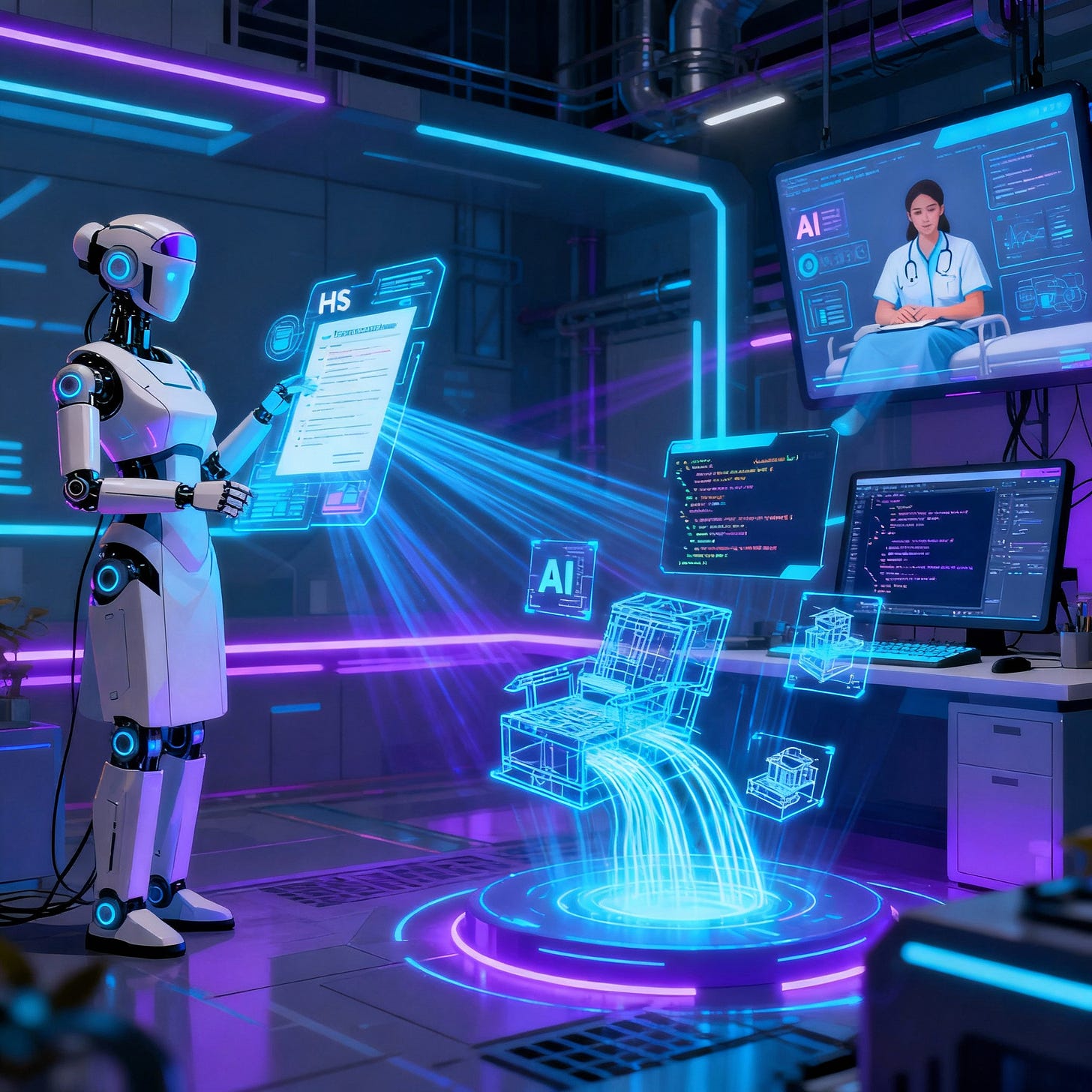
Why AI-Native Infrastructure Matters
Traditional companies often try to retrofit AI, leading to fragmented solutions and slow adoption. AI-native companies build the backbone of the AI economy, enabling:
• Unmatched speed & scale: Automate workflows that were human bottlenecks before.
• New markets creation: Innovate products and services beyond existing categories.
• Data-driven decision ecosystems: Learn and adapt in real time with continuous feedback loops.
McKinsey reports show AI-native businesses grow nearly four times faster than traditional players, proving that AI-centric design is the future of sustainable competitive advantage.
The Invisible Backbone of Tomorrow’s World
The next wave will be defined by AI-native infrastructure firms quietly automating the most complex parts of business: talent recruiting, software creation, healthcare diagnostics, and more.
They will replace slow, manual workflows with continuous, adaptive systems that don’t just react to change—they anticipate it.
To put it simply: if you see an effortless app, a product that evolves on its own, or a process that predicts your needs—it’s probably powered by an AI-native company.
Final Thoughts
We stand at the dawn of an AI-native revolution. From Mercor automating global talent supply to Lovable.dev democratizing digital creativity, the industries we know are being rebuilt by intelligent systems designed to learn, optimize, and create autonomously.
Understanding AI-native firms is crucial for anyone wanting to grasp how AI is not just a tool, but the foundation on which tomorrow’s economy will be built.
If you want to stay ahead of the AI curve and uncover how these companies shape our future, subscribe for more in-depth analysis, insights, and practical guides on the AI-native era.
Originally published on Substack