The Untold Tale of Satoshi: Bitcoin’s Silent Billionaire
Picture this: You’re strolling through a park and spot a statue, its golden face catching the sunlight, a Bitcoin symbol gleaming on its chest. The name…
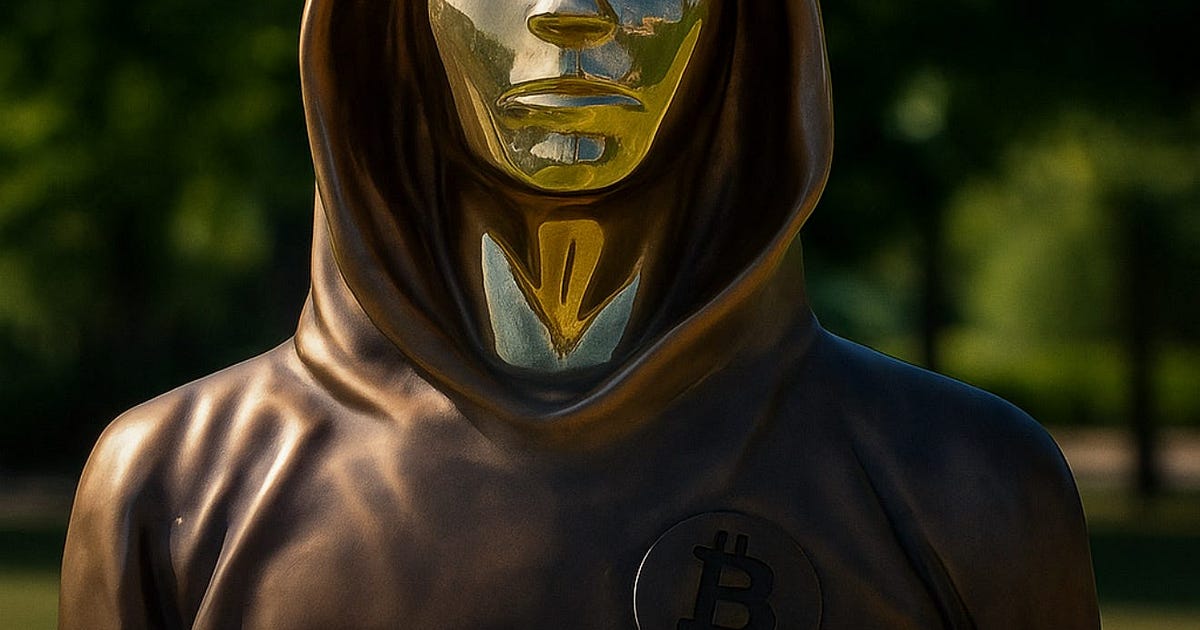
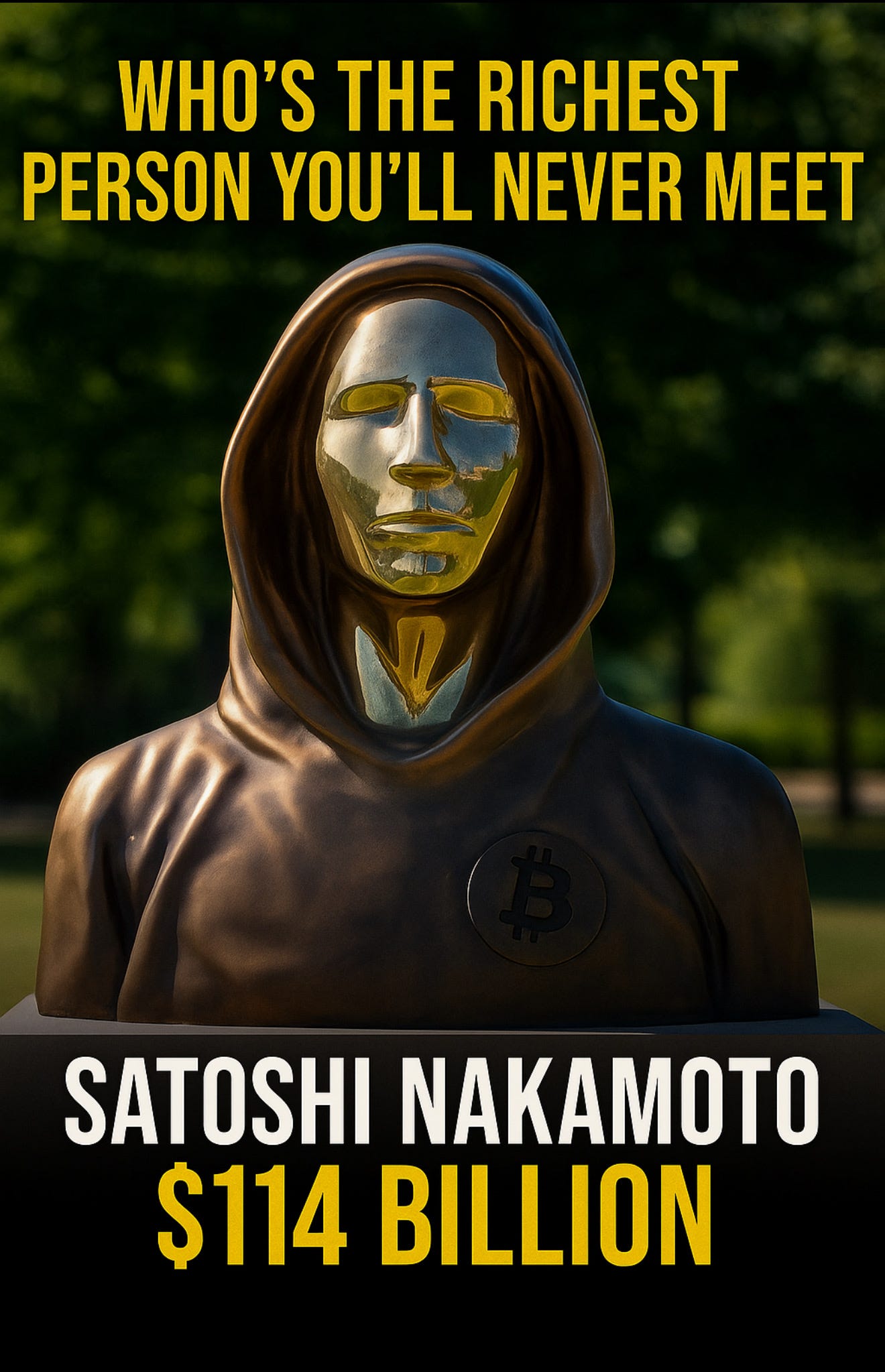
Picture this: You’re strolling through a park and spot a statue, its golden face catching the sunlight, a Bitcoin symbol gleaming on its chest. The name “Satoshi Nakamoto” stares back, with a jaw-dropping $114 billion tagged underneath. It’s wild, right? Especially now, with Bitcoin’s price spiking again in July 2025, everyone’s buzzing about the crypto boom. This mysterious figure—whoever they are—holds a fortune bigger than most countries, yet they’ve never touched a cent.
Satoshi Nakamoto first emerged in October 2008, when a whitepaper titled “Bitcoin: A Peer-to-Peer Electronic Cash System” appeared online, authored under that name. The document laid out a revolutionary idea: a decentralized currency free from banks or governments, using a technology called blockchain.
For nearly two years, Satoshi collaborated with early crypto enthusiasts on forums like Bitcointalk, coding and refining Bitcoin. They mined the first block—the genesis block—on January 3, 2009, embedding a message hinting at the 2008 financial crisis: “The Times 03/Jan/2009 Chancellor on brink of second bailout for banks.”
Then, in 2010, Satoshi handed over the reins to developer Gavin Andresen and vanished, leaving behind about 1 million Bitcoins, now valued at $114 billion due to the recent price surge past $60,000.
The name itself is a puzzle. “Satoshi” is a common Japanese given name, and “Nakamoto” a surname, suggesting a possible Japanese origin—though some speculate it’s a pseudonym masking a group or individual from elsewhere.
The identity remains unconfirmed, with theories ranging from a lone genius to a collective of cryptographers, even Nick Szabo or Hal Finney, early crypto pioneers. No one’s proven who they are, and the secrecy might stem from a desire to protect the project’s decentralized ethos or avoid legal scrutiny in a world wary of unregulated money.
As for the fortune, those Bitcoins sit in wallets linked to Satoshi’s early activity, untouched since 2010. No one knows how—or if—they’d access it without revealing themselves, as moving those funds would likely trigger global attention and market chaos.
The silence could be strategic, ensuring Bitcoin’s independence, or personal, shielding them from fame or danger. That Budapest statue, with its mirrored face, feels like a nod to all of us—dreamers, doubters, and believers riding this crypto wave.
This isn’t just about wealth—it’s about an idea that’s bigger than its creator. As Bitcoin soars, Satoshi’s story reminds us that sometimes the quiet ones leave the loudest mark. Got a theory about who they might be? Drop it in the comments—I’m all ears.
Stick around for more tales where tech and mystery collide—subscribe to catch the next one!
Originally published on Substack